How to use props in Vue 3?
We need to register the prop so that Vue knows to expect a value from it. To register a prop, we add it to an array in the props option of the child component's config object. The name must be a string value. For our example, we'll add the name prop we defined to the props array in GreetingMessage .
Are props reactive in Vue 3?
Props Gotten Directly From Vue 3 Setup Are Not Reactive This means that changes to the prop in the parent component might not be reflected in the child component. To maintain reactivity, you should use Vue's toRefs or toRef utilities.
How to destructure props in Vue 3 without losing reactivity?
To destructure props in Vue 3 without losing reactivity, you can use the toRefs function. toRefs takes an object and returns a new object where each property is a ref. A ref is a reactive object that contains a single value.
How to avoid prop drilling in Vue?
Props are more suitable when passing data to a child component from the parent component (If the component hierarchy is limited to two levels). If the data passes beyond the first child to a deep child in the component tree, we must use the provider/inject method instead of props to avoid props drilling.
Vue components require explicit props declaration so that Vue knows what external props passed to the component should be treated as fallthrough attributes.
Pour chaque propriété dans l’objet servant de déclaration, la clé est le nom de la prop, tandis que la valeur doit être la fonction constructeur du type attendu …
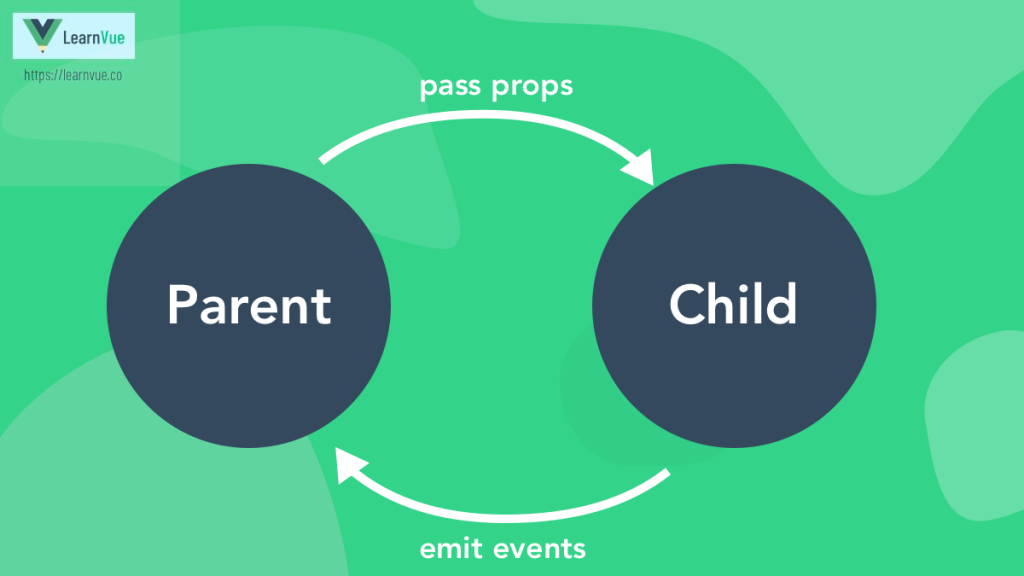
Props are custom attributes that we can register on a component that allow us to pass data from a parent component to one of its children.