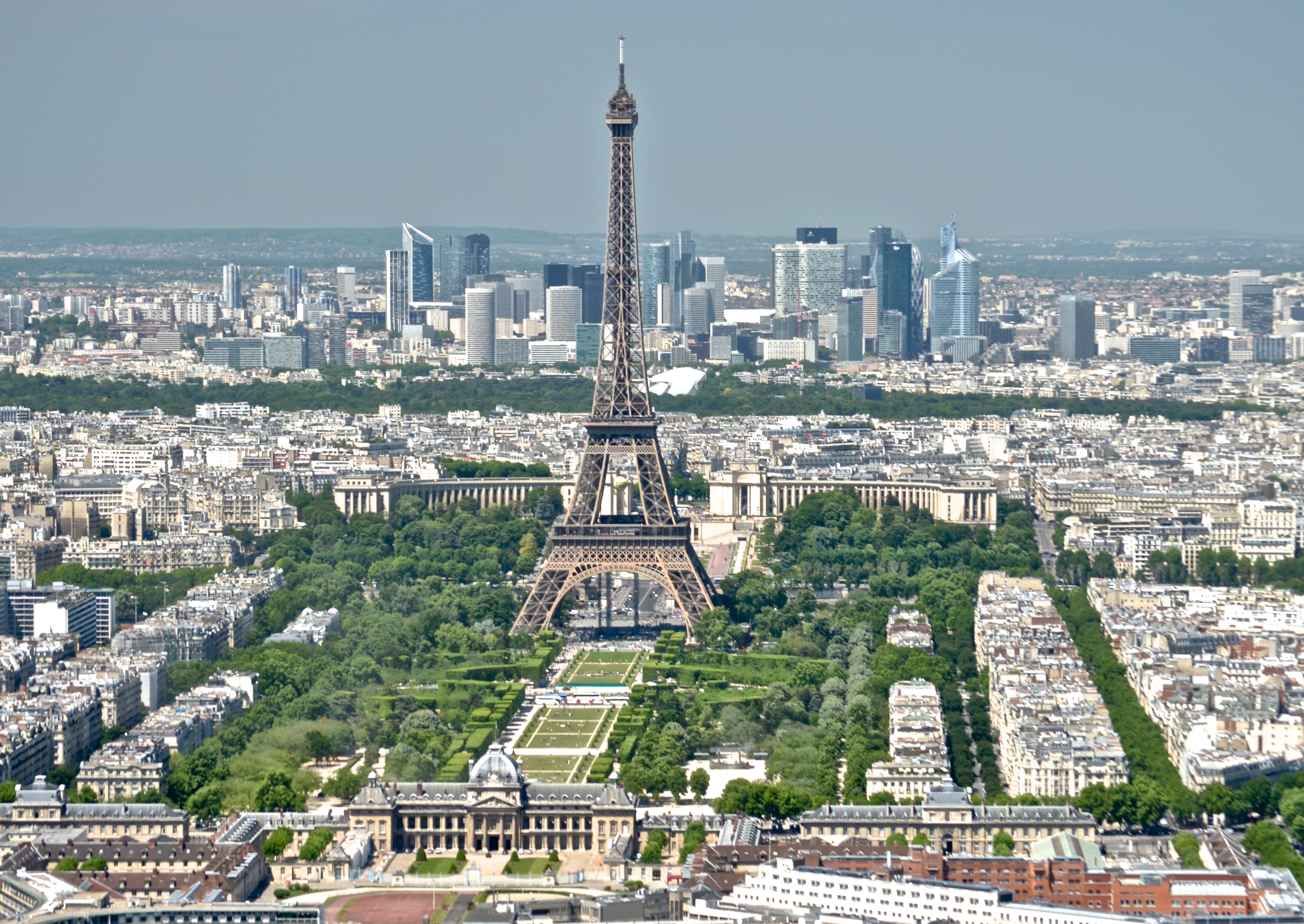
What is special about the Île-de-France?
Beyond the city limits of Paris, the region has many other important historic sites, including the palaces of Versailles and Fontainebleau, as well as the most-visited tourist attraction in France, Disneyland Paris. Although it is the richest French region, a significant number of residents live in poverty.
What food is the Île-de-France famous for?
The Ile-de-France region itself produces a vast number of local specialities; Houdan poultry, lamb from Ile-de-France, as well as Parisian mushrooms and cress from Méréville.
Why is France called the Île-de-France?
Île-de-France was so named because of the rivers that surround it: the Seine to the south, the Oise to the west, the Marne to the east and the Aisne to the north. From a bird's eye view, this natural grid gives the region the appearance of an island in the heart of France.
Is the Île-de-France a city?
[Politics] Île-de-France is made up of Paris, the country's capital city, as well as seven departments including Val-de-Marne, Seine-Saint-Denis, Hauts-de-Seine, Yvelines, Val-d'Oise, Seine-et-Marne, and Essonne and has jurisdiction over 1,276 communes. Paris is both a city and a department.
The Île-de-France is the most populous of the eighteen regions of France, with an official estimated population of 12,271,794 residents on 1 January 2023.
Île-de-France is the most densely populated région in France. In the century between 1850 and 1950, when most areas of France were losing population, Paris …
The palatial residences of Versailles and Fontainebleau, the romantic boulevards, stately museums and rich artistic history of Paris and charming villages
Ile-de-France, situated in north-central France, is renowned for its rich natural heritage and offers visitors a diverse array of activities. The region …
The Île-de-France is a province of France encompassing the north-central departments of Val-d’Oise, Seine-et-Marne, Seine-Saint-Denis, Ville-de-Paris, …